
Table of contents
- What is the normal age for potty training?
- Signs your child may be ready to start potty training
- Can I potty train early?
- How do I start potty training?
- What do I need to buy to begin potty training?
- Tips for potty training
- What is the quickest way to potty train a toddler?
- Do nurseries help with potty training?
- Potty training and SEND
- FAQs
Table of contents
- What is the normal age for potty training?
- Signs your child may be ready to start potty training
- Can I potty train early?
- How do I start potty training?
- What do I need to buy to begin potty training?
- Tips for potty training
- What is the quickest way to potty train a toddler?
- Do nurseries help with potty training?
- Potty training and SEND
- FAQs
Potty training can be a daunting task. Many parents can’t wait to be rid of nappies, but that doesn’t make the clear ups that come with transitioning to potties any more attractive.
What is the normal age for potty training?
Most children potty train between two and three years old. Some children do start earlier or later, and some pick it up quicker than others.
Experts recommend starting to introduce the idea of the potty from 18 months old, with training beginning in earnest when your child shows signs of readiness.
There is concern that as many as 1 in 4 children are starting school still wearing nappies. This, along with lacking other skills needed to be ready for school, can put them at an immediate disadvantage.
Signs your child may be ready to start potty training
There are some signs your child may have enough awareness to start potty training. They may not show all of these, but some signs include:
- Telling you, “I done a wee!” or other signs that they are aware they’ve been.
- Going to a corner or other deliberate place to poo or wee in their nappy.
- Understanding that their nappy is full. They may show signs of finding it uncomfortable, such as trying to take it off, pulling at the bottom of it or even asking for a change.
- Weeing less frequently.
- Saying they don’t want to use nappies anymore, having seen their friends using the potty. Around 18 months to 2 years old they may go through a phase of resisting nappies, but that’s not quite the same.
Can I potty train early?
How early children can learn to use the potty varies between each individual. It’s very unlikely they’ll successfully master it earlier than 18 months old.
There is a technique called baby-led potty training (or Elimination Communication). This is about recognising signs that your baby’s about to poo and holding them over the potty. Some people do this from a few weeks old. It’s useful for reducing pooey nappies, particularly if you use washable nappies, but it’s not the same as potty training. Children need enough muscle control and understanding to successfully potty train.
How do I start potty training?
There’s no one way to potty train your child, and finding where to start can be bewildering.
A suggested timeline for might be:
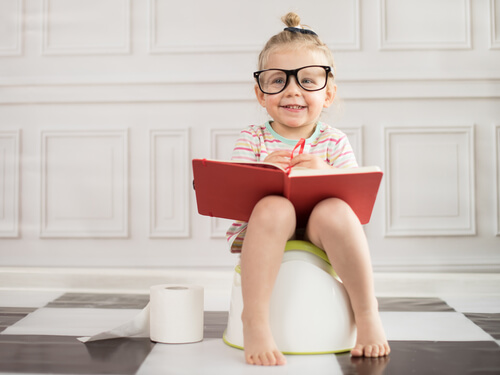
- Introduce the potty and the idea of sitting on it. Make use of their teddies to demonstrate and help them try it out for themselves.
- Teach your child about poos and wees, where they come from and where they go. There are lots of good picture books for this.
- When they are ready to potty train, start sitting them on the potty at regular times, so they get used to the idea. If they do a poo or wee in the potty, lavish them with praise.
- Start having regular periods of them wearing no nappy at home. If you keep an eye out for signs that they need the potty, or even that they start weeing, quickly sit them down on the potty.
- As they get more used to using the potty, they may feel more confident with asking for it. Meanwhile you may feel more confident of letting them not wear a nappy for longer periods; they may enjoy wearing pants/knickers instead.
- Keep extending no-nappy periods, and start including them when out and about, until they are mostly using the potty.
- When they are consistently dry during the day, finally approach not wearing a nappy at night. You may want to use protective sheets while they transition and learn to wake up for a wee, though it’s normal for them to still wet the bed occasionally for a few more years.
This timeline, or whatever timeline you choose, could take a few weeks to a couple of years to comfortably complete.
What do I need to buy to begin potty training?
- A potty – You may want more than one, where you put it is up to you and what works best for your child
- A travel potty
- A toddler toilet seat
- Steps so they can get up to the toilet
- Puppy pads or incontinence pads
- Lots of pants
- Reusable training pants if you’d like to, but they can get expensive
- It can help to have shoes that are easy to clean, particularly with girls. Jelly shoes and sandals are a good options
- Picture books about using the potty and where wee and poo go
- Small rewards, such as stickers or sweets
- Something to clean rugs or carpets with. This could just be a spray or you may prefer to splash out on a hand-held carpet and upholstery cleaner.
Tips for potty training
You know your child best and may have your own views on things like rewards, and what will and won’t work for them. Some general tips are:
- Help them to understand using the potty using picture books, soft toys, YouTube or Cbeebies videos (if you allow them) or even letting them see you use the toilet. Once they start using the potty, letting them help you empty it, flush and say, “bye bye poo!” can really establish understanding.
- Sit them on the potty at regular times so they learn that this is normal now. Even if they don’t do anything, giving them a few minutes to just try is worthwhile.
- Praising them every time they sit on the potty and getting really excited when they use it provides them with a reward and helps build confidence.
- Don’t worry if they lose interest a little, or even start pushing back once the initial novelty has worn off. They’re not going to stay excited about using the potty or toilet, they key is building the habit by remaining consistent.
- Late spring and summer are good times to potty train if you have a garden, because your child can go nappy-less in the garden with fewer clean-ups for you.
- Try not to nag them or scold them as this might make them resent potty training, decrease their confidence in trying or even not tell you if they’ve had an accident somewhere.
- Avoid asking if they need a wee all the time from the start, as they haven’t built the skills to be able to really know yet, and they may start saying “No!” just to get you off their back. In the early days it’s much better to encourage them to sit and try regularly.
- Toddlers can find potty training much more difficult later in the day, when they are tired and their attention span is shorter. If you’re noticing more accidents in the evening, it’s okay to put their nappy on for the night early.

Find a nursery near you
What is the quickest way to potty train a toddler?
Children will go at their own pace and it’s inadvisable to force them to potty train at a speed they’re uncomfortable with.
There is a technique called intensive potty training, where you essentially go cold turkey on nappies and aim to train your child in around three days.
This certainly can work for some families, but it’s not the norm and can be a lot of pressure on the child (and you), depending on how you do it.
You’ll always find parents, not to mention social media posts, that claim instant success. This can be really disheartening when you’re trying your best, and but it is often a polished account of what happened.
Do nurseries help with potty training?
Nurseries can be extremely helpful with supporting your child through potty training, You can speak to your child’s key worker about the nursery’s particular approach, but generally nurseries will continue at the same pace your child is learning at home.
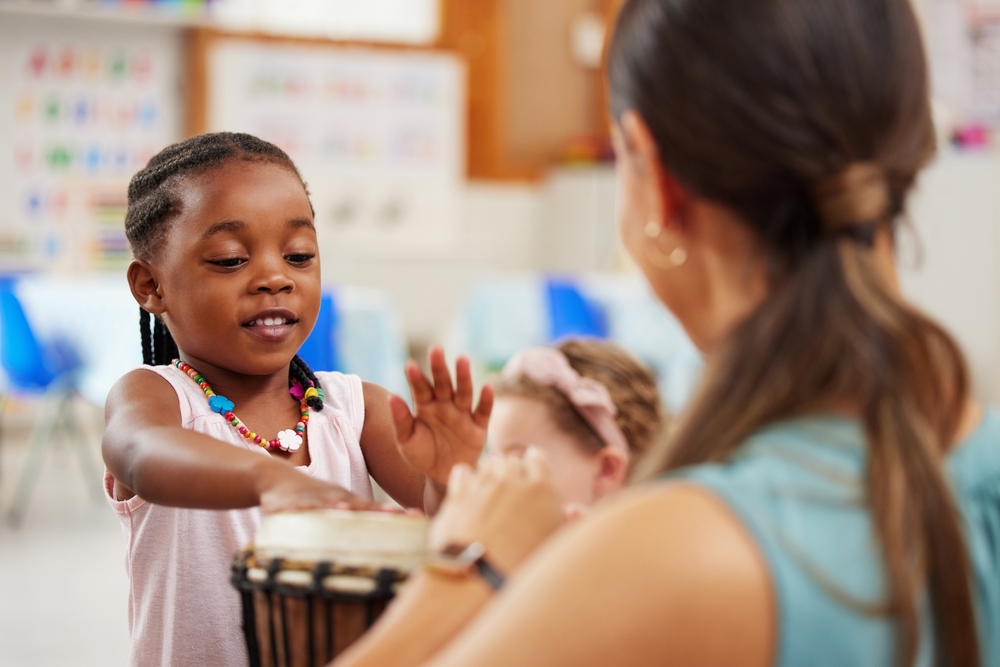
Potty training at nursery can actually be particularly effective, as children like to see what others are doing and join in. If your child’s friends are using the potty at nursery, this can solidify it as normal and habitual for them.
You may want to be wary that some preschools require children to be potty trained before they start, so if your child is booked into one it’s good to start training in good time.
Potty training and SEND
Children with Special Educational Needs and Disabilities (SEND) can find toilet training more challenging. They are usually still able to successfully learn, but may require a different approach and may be older when they’re ready.
There are some excellent resources for toilet training a child with SEND, tailored to particular needs and disabilities.
FAQs
At what age should children start potty training?
It’s recommended that the potty starts being introduced from when your child is around 18 months old, with potty training starting properly when they show signs of readiness. It can take a while for children to completely master it, with night-time taking the longest.
How can I get started with potty training my child?
Start with potty training by getting your child excited about it through play, stories or letting them choose their new potty or child toilet seat. Hand-eye coordination can be hard for boys at first, so it can be best to start with sitting for them.
What should I include in a potty training routine?
Getting your child into a routine of going to the toilet regularly will help them to get used to going without needing to rely entirely on knowing when they need to go. The key thing at the start is to keep sitting them on the potty at regular intervals.
Related Articles

Expert advice straight to your inbox
Join our growing community for clear, expert guidance on finding, choosing and paying for a nursery.
