Table of contents
Cheryl Lythgoe, Matron at Benenden Health, provides tips for promoting healthy eating to help keep your child a healthy weight.
In England, one in five children are overweight or obese by the age of 11. In Wales, Scotland and Northern Ireland the figure is more than one in four. What is a healthy weight for a child? What can you do to prevent your child becoming overweight to limit the risks to their health?
At a glance
- Childhood obesity is a growing concern, but healthy habits can significantly reduce the risk. A balanced diet, regular physical activity, adequate sleep, and limiting time spent on screens help children maintain a healthy weight and overall wellbeing.
- Parents can encourage healthy eating by focusing on nutrition rather than dieting. Offering a variety of fruits, vegetables and nutritious meals, controlling portion sizes, reducing sugary snacks and drinks, and involving children in food preparation can help establish positive eating habits from an early age.
- The whole family plays a role in supporting a healthy lifestyle. Children are more likely to adopt healthy behaviours when parents lead by example through active lifestyles, shared family meals, and positive attitudes towards food and exercise, rather than focusing on weight or appearance.
1. Watch your child’s portion size
Children do not need as much food or as many calories as adults, so keep portions small. Only give a second serving if the child requests it.
Ensure your child eats well at mealtimes by teaching them how to manage their appetite in between meals.
It’s important not to force children to eat all the food on their plates but more to eat slowly and learn to listen to when their body tells them it’s full.
If they eat too many snacks, and then the parent is telling them to finish their large portion size (and the child is eating when they are not hungry), that is a recipe for weight gain.

Find a nursery near you
2. Give your child a balanced diet
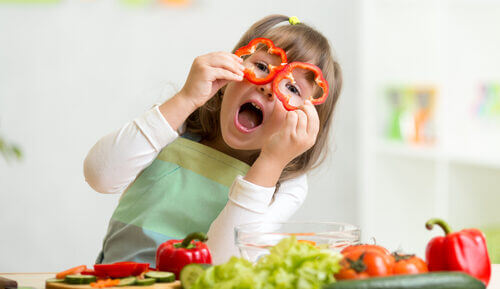
Try to make sure everyone eats a balanced diet. Include plenty of fresh vegetables to give them the vitamins and minerals they need.
It’s important that parents have confidence with healthy meal planning.
To eat a balanced diet, avoiding sugary foods is key. For example, at breakfast choose wholegrain cereals with milk, or yogurt and fruit, eggs on toast with a glass of milk. Snacks can be home made, such as no-sugar banana loaf, cheese cubes and carrot or veggie sticks.
Offer healthy snacks when they get home from school such as toast or wholegrain crackers with Marmite, cheese, and a glass of milk.
There are sugars, caffeine, and additives in fizzy drinks, so encourage your children to drink water where possible.
3. Help your child learn healthy eating meal planning
Young children shouldn’t be encouraged to choose meals, as they won’t necessarily select something that gives them the nutrients they need, but rather support and encourage the skill of meal planning from an early age.
Asking a young child what they want when doing the food shopping, will often result in the child asking for sweets or a treat.
However, getting children involved in meal planning and prepping is a great opportunity to teach them about how to combine healthy ingredients. This enables them to understand how to plan and prepare a healthy meal from scratch.
Through learning how to make a healthy pizza, for example, ensures a child enjoys the foods often considered unhealthy in a healthy managed way and helps them to develop a more positive relationship with food.
It is imperative to foster a healthy respect for all types of food groups. This can be achieved with the whole growing, buying, preparing, presenting and eating of food.
Expert advice straight to your inbox
Join our growing community for clear, expert guidance on finding, choosing and paying for a nursery.

4. Lead by example to encourage a healthy weight
Eating healthy meals and snacks and taking time to eat mindfully, shows children that it is the norm.
Encouraging children to prepare and try new foods while cooking is a great way to broaden tastes. A child can try something new without putting too much pressure on them.
Alternatively, ‘treating’ yourself with sweet or fatty foods or saying you feel guilty after eating – links food with negative emotions.
This can lead children to pick up on habitual emotional eating (such as eating when stressed or worried), which can in turn lead to weight gain.
5. Make eating an important time to get together
Too many children eat dinner in front of the television in the UK. This can lead to mindless eating. Eating together as a family at the dining table is a great way of keeping an eye on what children are eating and developing a love for healthy food.
There are lots of ways children can become involved in the kitchen. From measuring and mixing ingredients to setting the table or helping wash up.
All of them encourage valuable skills that will stand them in good stead later.
6. Active lifestyle
As well as watching how you eat, maintaining an active lifestyle with lots of exercise in the fresh air, helps keep the weight from creeping on.
Rather than sitting on the sofa, take your child out on a trip to the local park. You can read about the benefits of outdoor play here.
Related Articles