Play is central to children’s life at nursery and there are huge benefits to learning through play. It is an activity that is done for fun and can be physical or mental. Play can have no purpose and can be done alone or with others.
Despite its many benefits, some parents focus more on academic milestones and tangible progress. However, learning through play can be hugely effective in helping children grow.
But through play, children are learning all the time. They are using and enhancing their imagination and creativity and developing their emotional, social and physical skills.
Children learn about themselves and the world around them through play.
“Play is the highest form of research”.
according to Albert Einstein
Benefits of learning through play
Research shows that children deprived of play may experience stunted development. Through pretend play, for example, children learn to negotiate, share, and cooperate.
A simple pirate game can teach conflict resolution, role-playing, and leadership.
There are so many elements to play and it:
Enhances imagination and creativity
Boosts independence and confidence
Enables children to learn from mistakes and developing problem-solving skills and resilience
Strengthens language and communication and social skills through group play
Encourages empathy and emotional regulation
Supports physical health through active movement from games like tag
What are the two types of play?
Play is generally categorized into two types:
Child-led play (also called free play)
Adult-led play (also known as structured play)
Both are essential for a balanced early learning experience.
What is child-led free play?
Free play is when children choose how, where, and with whom they play, without adult direction. It taps into their innate curiosity and creativity.
Examples of free play include:
Make-believe games (e.g., superheroes, pirates)
Drawing or painting
Playing with toy figures and creating stories
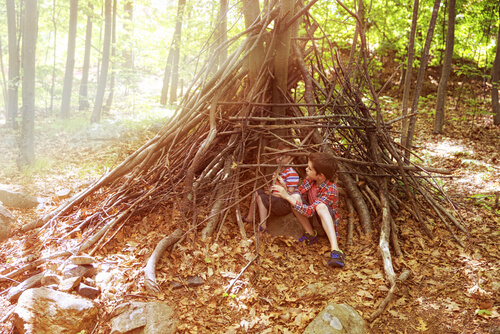
Outdoor adventures like climbing trees or building dens
Open-ended materials like water, sand, and mud provide endless opportunities for exploration and creativity.
Toys such as cars and dinosaurs will direct the play more as they are not so open ended.
Free play has declined in many parts of the world
In today’s society, children’s lives are often micro-managed and risk-assessed. This has led to free play declining in many parts of the world with structured play tending to dominate. Children’s play can often include some kind of adult intervention.
In a nursery environment, child-led play can be a challenge. Free play is described by Play England as:
“Children choosing what they want to do, how they want to do it and when to stop and try something else.
Free play has no external goals set by adults and has no adult imposed curriculum. Although adults usually provide the space and resources for free play and might be involved, the child takes the lead and the adults respond to cues from the child.“
How to encourage child-led play
One of the best ways to nurture child-led play is to get children outdoors.
Play expert Tim Gill describes tree climbing:
“Climbing a tree – working out how to start, testing for strength, feeling how the breeze in your face also sways the branches underfoot, glimpsing the changing vista through the leaves, dreaming about being king or queen of the jungle, shouting to your friends below once you’ve got as high as you dare – is an immersive, 360-degree experience that virtual or indoor settings simply cannot compare with.”
Encouraging play in natural settings such as parks, woods, beaches fosters sensory development, coordination, and resilience.
What are the benefits of child-led play?
Clare Caro, founder of Nature Play, advocates for letting children follow their own play urges. She highlights how natural settings offer endless learning experiences such as collecting sticks, sliding down slopes, or simply listening to nature.
Ms Caro encourages adults to be “learning allies”, stepping back to observe before stepping in:
“The possibilities are endless when you enter a natural environment. Every garden, beach, stream and glade offers many multi-sensory learning opportunities for every age and stage of development. Touching, listening, collecting stones, throwing sticks, crawling up and sliding down slopes, and building structures that are furnished by the imagination – all play in a natural environment ensures a master-class with the natural materials.”
Language Matters
How adults talk about the world shapes the way children see the world. For instance, calling a rainy day “miserable” can subconsciously instill negativity toward nature. Instead, use descriptive, neutral words like drizzly, brisk, or windy to cultivate curiosity.
It is important that children see the magic of the seasons, rather than viewing them negatively.
What is adult-led structured play?
Structured play is guided by adults and often has specific learning outcomes. While it may seem less spontaneous, it also offers valuable benefits. In most nurseries, practitioners like to offer children a combination of structured play with free play.
Examples of structured play include:
Puzzles and board games
Singing songs
Gardening or baking with adults
Organized sports like football
Structured play teaches teamwork, rule-following, and goal setting. All of these are important life skills.
Benefits of structured play
Carefully chosen structured activities can:
Help children to interact with their peers
Boost their communication and social skills.
Structured play will have a purpose or a learning objective.
Ninety-nine per cent of what people do is learned behaviour.
Why all types of play matter
Children need a balance of structured and unstructured play to fully develop. Each type contributes to different aspects of their growth and helps them adapt to a variety of situations.
It is vital children get to experience both structured, adult-led play as well as free child-led play.
All play is important and its impact on the development of the child should not be underestimated.
It is healthy for children to take risks
Play expert Tim Gill reminds us:
“Children are more resilient, capable, and creative than we give them credit for. Yet, their lives are increasingly scheduled and controlled.”
Allowing children to take small, managed risks—like climbing trees or exploring unfamiliar areas—helps them develop confidence, independence, and resilience.
As George Bernard Shaw famously said:
“We do not stop playing because we grow old, we grow old because we stop playing.“
FAQs
What is structured play?
Structured play is initiated by adults and tends to have a purpose or task involved. Carefully chosen structured activities can help children to interact with their peers and boost their communication and social skills.
Free play is when the child has complete freedom to choose where they play, how they play and what they play with. It is led by the child and encourages them to use their imagination and their creativity.
Children learn about the world through play. Playing helps children to use and enhance their imagination and creativity and helps them develop their emotional, social and physical skills.